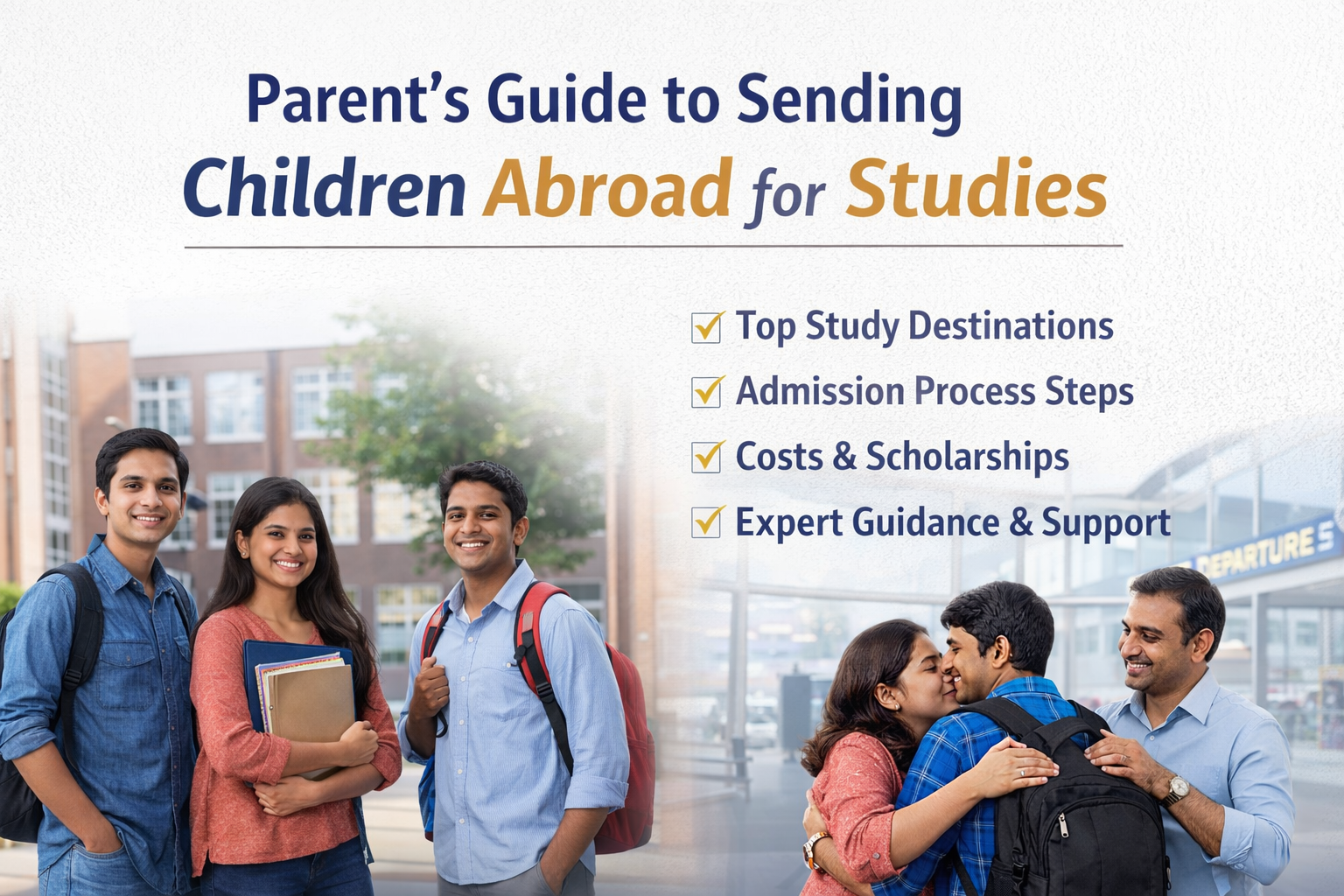
The Complete Parent’s Guide to Sending Children Abroad for Studies in 2026

12/03/2026
So, your child has just told you they want to study abroad. Maybe it's a dream they've held for years. Maybe it came up suddenly after a friend got into a university in Canada or the UK. Either way, you're now sitting with a mix of pride, excitement, and a very long list of questions in your head.
That's completely normal. And you're in the right place.
Today, thousands of Indian students successfully pursue their education overseas every year. Sending your child thousands of miles away is one of the biggest decisions a family will ever make. With proper planning, reliable guidance, and clear understanding of responsibilities, studying abroad can be a safe and rewarding experience for both students and parents.
At Campus Overseas, one of the most trusted study abroad consultants for students from Kerala, we've guided hundreds of families through this exact journey. Whether you are a parent based in Kerala or elsewhere in India, or a family settled in the UAE, Qatar, Saudi Arabia, or other Gulf countries, this guide is written especially for you.
Let's walk through everything — step by step, honestly and clearly.
Is Studying Abroad Really Worth It?
This is the first question every parent asks. You may wonder whether the investment — financial, emotional, and logistical — is truly worth it.
Yes — when done right, an international degree is one of the most transformative investments a family can make.
Here's what your child genuinely gains:
A degree from a university in the USA, UK, Canada, Australia, or Germany carries global recognition that opens doors across industries and continents. International graduates consistently report higher starting salaries and faster career growth than peers who studied domestically. Beyond the degree itself, living independently in a foreign country builds resilience, cultural intelligence, and problem-solving skills that no classroom at home can replicate.
And then there's the network — friendships and professional connections that span the globe, built during some of the most formative years of a young person's life.
For Indian families in particular, the aspirations around international education run deep. With one of the highest literacy rates in India and a strong culture of emigration and global ambition, it's no surprise that students from Kerala are consistently among the top applicants at universities across the world.
Countries such as the United Kingdom, Ireland, Canada, Australia, New Zealand, Germany, France, and, more recently, Dubai (UAE) and Malaysia have become popular destinations for Indian students due to their high-quality education systems and welcoming environments for international students.
Choosing the Right Country
There is no single “best” destination — the right country depends on your child’s course, budget, career goals, and personality. Each destination offers unique advantages. Here is an honest overview of the most popular choices among students:
United Kingdom
The UK remains one of the top choices for Indian students, and for good reason. Undergraduate programmes take just 3 years, and postgraduate degrees are completed in 1 year — making it more cost-efficient than most other destinations. The Graduate Route Visa allows 1.5 years of post-study work. Many UK Universities are globally ranked. For students interested in medicine, engineering, business, and law, the UK is consistently among the best study abroad destinations.
Ireland
Ireland has become a popular destination for technology, business, and data-related courses. With global tech giants like Google, Meta, and Apple headquartered in Dublin, the industry exposure is unmatched. The country is warm and welcoming to Indian students and offer a 2 year post study work visa for masters graduates.
Australia
Australia offers high-quality education, strong research programmes, and outstanding student support. Its Post-Study Work Stream allows graduates to stay on and work for 2 to 5 years, and cities like Melbourne and Sydney regularly feature in the world's most liveable cities lists. For Kerala students interested in healthcare, engineering, IT, and business, Australia has been a strong destination for over a decade.
Germany
Germany is well known for engineering, technology, and research programs. Most public universities charge little to no tuition fees — even for international students. Germany is particularly well-suited for engineering, technology, and research-oriented programmes. A growing number of courses are now offered fully in English. Ideal for students looking for an affordable, high-quality European education. Germany offers a post study work visa of 18 months for graduates.
New Zealand
New Zealand provides a safe, peaceful and welcoming environment for international students. Universities emphasize research, innovation, and smaller class sizes that allow closer interaction with faculty. New Zealand also offers a post study work visa of up to 3 years.
France
France is popular for business, hospitality, fashion, and arts programs. The country also offers many English-taught programs and strong industry connections.
Dubai (UAE)
Dubai has become an education hub in the Middle East with branch campuses of international universities. It is close to India and offers strong exposure to global business environments.
Malaysia
Malaysia offers affordable international education with degrees from globally recognized universities. It is often chosen by students looking for quality education at a lower cost.
Understanding the Admission Process
One of the most common mistakes students and parents make is underestimating how long this process takes. Every country has a slightly different admissions system, but the overall process follows a familiar path.
Here is what to expect, step by step:
1. Research universities and courses (12 - 15 months before the intended intake).
2. Prepare for and take the required tests, such as IELTS or TOEFL for English proficiency, and GRE or GMAT for postgraduate programmes (where applicable).
3. Shortlist 5–8 universities across reach, match, and safe categories.
4. Plan finances for tuition fees, living expenses, and other required funds.
5. Gather academic transcripts, certificates, and identification documents.
6. Prepare a compelling Statement of Purpose (SOP) and obtain Letters of Recommendation (LORs).
7. Submit applications — deadlines vary by country and university.
8. Receive offer letters and compare scholarship opportunities.
9. Accept the preferred offer and pay the required initial deposit.
10. Apply for a student visa with all the required documents.
11. Make pre-departure arrangements, including accommodation, travel, insurance, and orientation.
The earlier you begin, the better your university options, the stronger your application, and the greater your chances of securing scholarship funding.
Understanding Costs & Financial Planning
One of the biggest concerns for parents is the financial commitment. Most countries require proof that the student has sufficient funds to cover tuition and living costs. Let us break it down clearly so you can plan with confidence.
Tuition fees vary significantly by country:
· USA: approximately $20,000 to $55,000 per year
· UK: approximately £10,000 to £30,000 per year
· Canada: approximately CAD 15,000 to CAD 35,000 per year
· Australia: approximately AUD 20,000 to AUD 45,000 per year
· Germany: often under €500 per year at public universities
Living expenses typically range from $5,000 to $18,000 per year, depending on the city. Smaller cities and towns are considerably more affordable.
Beyond tuition and living costs, you should budget for return flights, health insurance (mandatory in most countries), books and academic materials, and a reasonable emergency fund.
Understanding Student Visa Funding Requirements
Every country has specific financial requirements for student visas. These typically include:
- Payment of tuition fees (full or partial)
- Proof of funds for living expenses
- Evidence of the source of funds (salary, savings, business income, education loan, etc.)
Visa officers carefully assess whether the student and family have genuine financial capacity to support the education abroad. Proper documentation and transparent financial records are essential for a successful visa application.
Scholarships & Financial Aid
A significant number of awards are available for international students, including those from India. Some of the most well-known include the Chevening Scholarships from the UK Government for future leaders, the Fulbright Foreign Student Program for students heading to the USA, Australia Awards funded by the Australian Government, DAAD Scholarships for study and research in Germany, and Commonwealth Scholarships for students from Commonwealth nations.
Beyond these, most universities offer their own merit-based scholarships. Early applicants with strong academic records are often best placed to receive these awards.
Accommodation and Safety: What Parents Really Want to Know
Safety is understandably top of mind for every parent. The reassuring reality is that most international universities have strong student support systems, campus security, and dedicated international student services.
• University Halls of Residence: The safest and most sociable option for first-year students. Meals are often included. Book early — spaces fill fast.
• Private Student Accommodation: Purpose-built student housing with 24/7 security, common areas, and modern facilities. Slightly more expensive but excellent value.
• Private Rented Housing: Sharing a house or flat with other students. More independence but requires careful vetting of landlords and contracts.
• Homestay: Living with a local family. Excellent for younger students or those who want a structured, warm environment while settling in.
Part-Time Work During Studies
Most popular study abroad destinations allow international students to work part-time while studying — typically 20 hours per week during term time and full-time during holidays. This not only helps with living expenses but gives students genuine work experience in an international environment, which is increasingly valued by employers everywhere.
Mental Health and Emotional Wellbeing: The Part Nobody Talks About Enough
This may be the most important section in this entire guide. International education is genuinely transformative — but it is also emotionally demanding. Most students experience some degree of homesickness, cultural adjustment challenges, academic pressure, and loneliness in their first semester abroad. This is entirely normal. It does not mean your child has made the wrong choice.
The transition from a close-knit family environment to living alone in a foreign city can feel especially sharp in the early weeks. By the end of the first semester, most students find their footing, make friends, and genuinely begin to enjoy their independence.
As a parent, here's what you can actually do:
Stay in regular contact, but give your child space to grow. Resist the urge to solve every problem for them — the struggle is part of the learning. Reassure them that feeling overwhelmed early on is normal. Ask them about the fun parts of their life, not just the stressful ones.
Know the support systems available at their university: every institution has a Student Wellbeing Service, a Counselling Centre, and a dedicated International Student Support team. Encourage your child to use these resources — proactively, not just in a crisis.
And watch for persistent signs of withdrawal or low mood over several weeks. If something feels wrong, trust your instinct and gently encourage your child to speak to a counsellor.
Preparing Your Child for Independence Before They Leave
One of the most practical things you can do in the months before departure is help your child build real-world skills: basic cooking, budgeting, doing laundry, managing a bank account, understanding a rental contract. These sound simple, but students who arrive prepared for the practical realities of independent living adjust far more quickly and confidently.
Studying abroad is first and foremost about education and personal growth. The degree, the skills, the global perspective — these are the foundation. Immigration pathways, post-study work opportunities, and career acceleration follow naturally from doing the academic part well.
The Role of a good Overseas Education Consultant
A professional overseas education consultant can simplify the process and guide families at every step.
Their role usually includes:
- Understanding the student’s academic background and career goals
- Suggesting suitable countries, universities, and courses
- Assisting with university applications
- Guiding students in preparing required documents
- Supporting the student visa application process
- Providing pre-departure guidance and travel preparation
A good consultant helps parents and students make informed decisions, but it is important to remember that consultants guide the process—they do not control visa decisions or university admissions. Final decisions are always made by universities and immigration authorities.
Your role does not end when your child boards that flight — it simply evolves.
Stay informed about visa renewal timelines, tuition payment deadlines, and scholarship renewal requirements. Be financially prepared for occasional unexpected costs. Visit if you can — nothing compares to seeing your child's world through their eyes.
And trust the process you've chosen together. The homesick phone calls in the first month, the academic pressure in the second, the gradual confidence building by the third — this is the arc of international education. It is hard, and it is worth it.
Ready to Begin?
Sending your child abroad for studies is a life-changing opportunity. With the right planning, honest documentation, and responsible approach from both students and parents, the experience can open doors to global careers and personal growth.
Parents should remember that studying abroad is not just about earning a degree—it is about building independence, confidence, and international exposure that can shape a student’s future.
You Are Not Alone in This
At Campus Overseas, we don’t just guide your child — we guide your entire family. From the first conversation, all the way through to visa filing and pre-departure orientation, our team is with you at every step.
We have helped families just like yours from across Kerala, India, and many Indian students around the world turn the dream of an international education into a safe, successful, life-changing reality. And we would be honoured to do the same for yours.
Also Read
Related Bogs

Redbrick Universities in the UK
Redbrick Universities in the UK are a group of esteemed institutions known for their historic buildings and academic excellence. The term "redbrick" originated from the characteristic red-brick buildings that were prevalent in the universities built in the late 19th and early 20th centuries.
18/08/2023

Breaking Barriers: Indian Students Embrace Culture-Shock during Study Abroad
Cultural shock refers to the disorientation and feelings of anxiety or confusion experienced by individuals when they encounter a new culture that is significantly different from their own. Indian students often face cultural shock when they study abroad in a foreign country.
11/08/2023

Sandstone Universities in Australia
In Australia, the term "Sandstone Universities" refers to a group of prestigious universities that are among the oldest and most respected in the country. These universities are known for their historical significance, architectural beauty, and academic excellence.
24/08/2023

Actuarial Science
Who are actuaries, and what roles do they play in risk management and financial planning❓ Actuaries belong to a prestigious profession known for its demanding entry requirements and impactful work. They specialise in risk management and are highly sought-after in various sectors, including life insurance, general insurance, pensions, investment, fund management, sustainability, banking, hedge funds, consultancies, software development, and regulatory authorities. Actuaries, being experts in data science, are increasingly in demand worldwide.
04/08/2023

What are the eligibility requirements for an Australia Subclass 500 Student Visa?
The Australia Subclass 500 Visa is a student visa that allows international students to study full-time at registered educational institutions in Australia. It is one of the most common visas for international students pursuing various levels of education. The duration of the visa depends on the length of your course.
26/09/2023

Is the UK still a viable study destination for international students?
Is now the ideal time to pursue studies in the UK? Absolutely!!
09/03/2024

Fascinating Facts about Canada
Canada is comprised of 10 provinces and 3 territories, each offering its own distinct culture, geography, and history. Let's delve into some fascinating aspects of these regions better to appreciate the diversity and allure of this beautiful country.
03/06/2024

Update on Work Rights for Partners of Students - Dependent visa eligibility in New Zealand
The New Zealand Government has expanded eligibility for work visas for partners of some students studying towards a Green List occupation.
27/06/2024

Choosing the Best Abroad Study Destination
Discover the best abroad study destinations with Campus Overseas, Calicut. Find your perfect university abroad. Visit us now!
12/07/2024

Understanding PLAB: Your Gateway to a Medical Career in the UK
Discover your path to a UK medical career with our PLAB courses! Gain essential skills, pass your exams, and start your journey today. Enroll now!
20/07/2024

Is UK safe for Indian students?
Is the UK safe for Indian students? Study in UK for September - January Intake
27/08/2024

Why Malaysia is the Perfect Study Destination for Students from Kerala
Discover why Malaysia is the ideal study destination for Kerala students. Explore affordable education, cultural similarities, and career opportunities.
21/09/2024

Alert for Indian Students Planning to “Study in Australia”: Indian Students Have Been Reclassified to the Highest-Risk Category in Documents & Processing — What This Means for Kerala Students?
.
14/01/2026
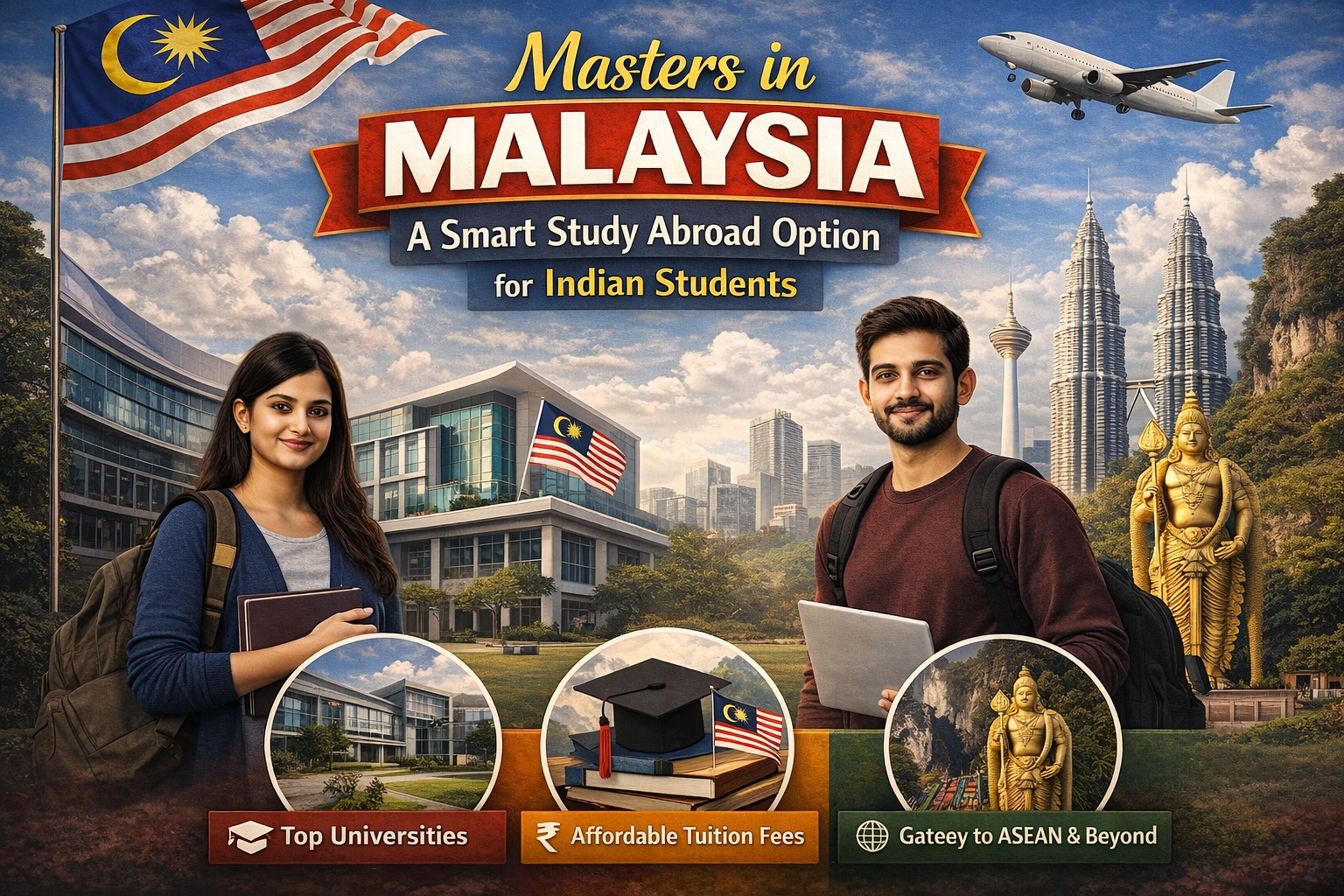
Masters in Malaysia: A Smart Study Abroad Option for Indian Students
Malaysia has steadily grown into a global education hub by focusing on quality, affordability, and international standards.
21/01/2026
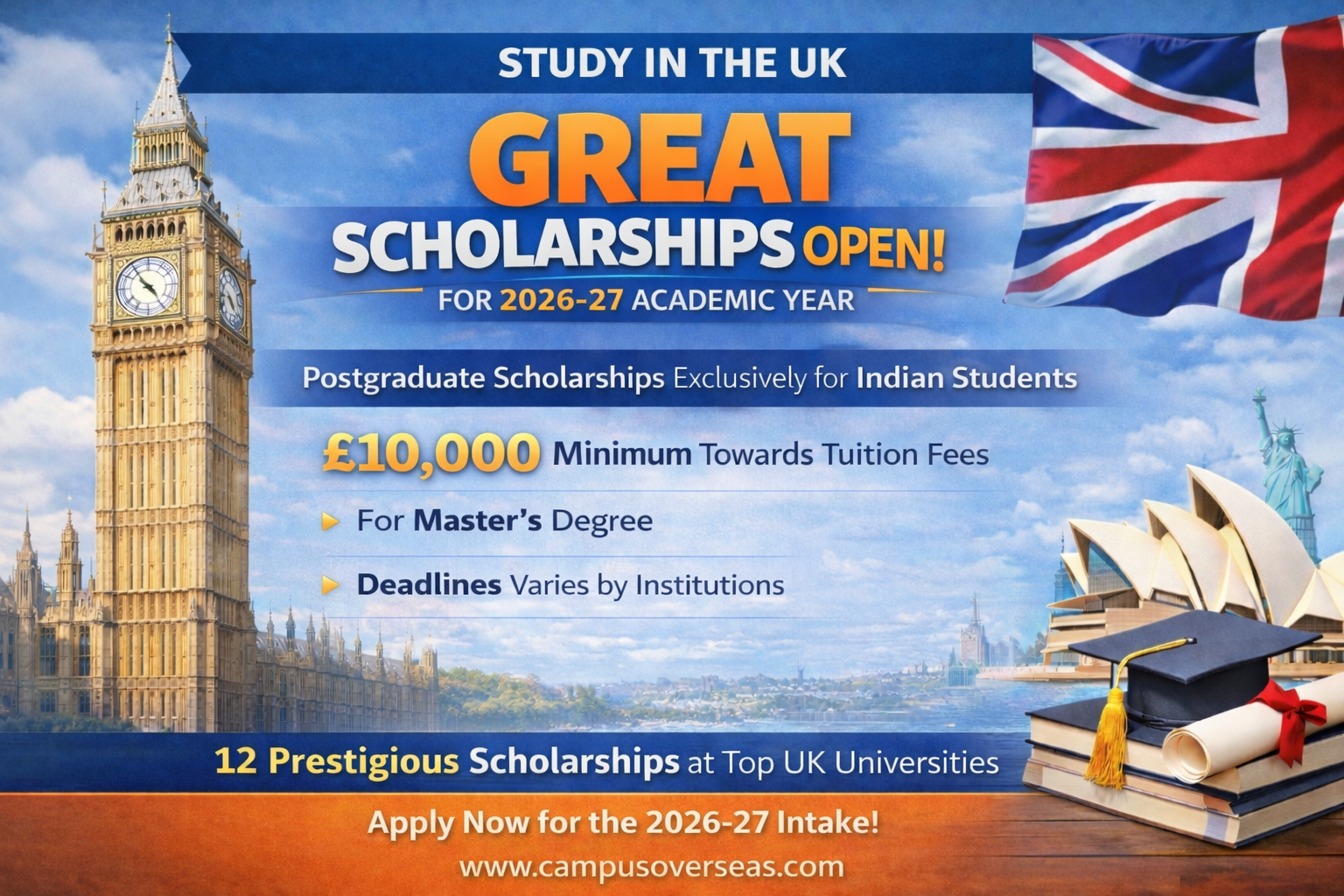
Do you hold an undergraduate degree and dream of continuing your higher education in the UK?
Great Scholarships for Kerala Students to Study at Leading UK Universities
28/01/2026
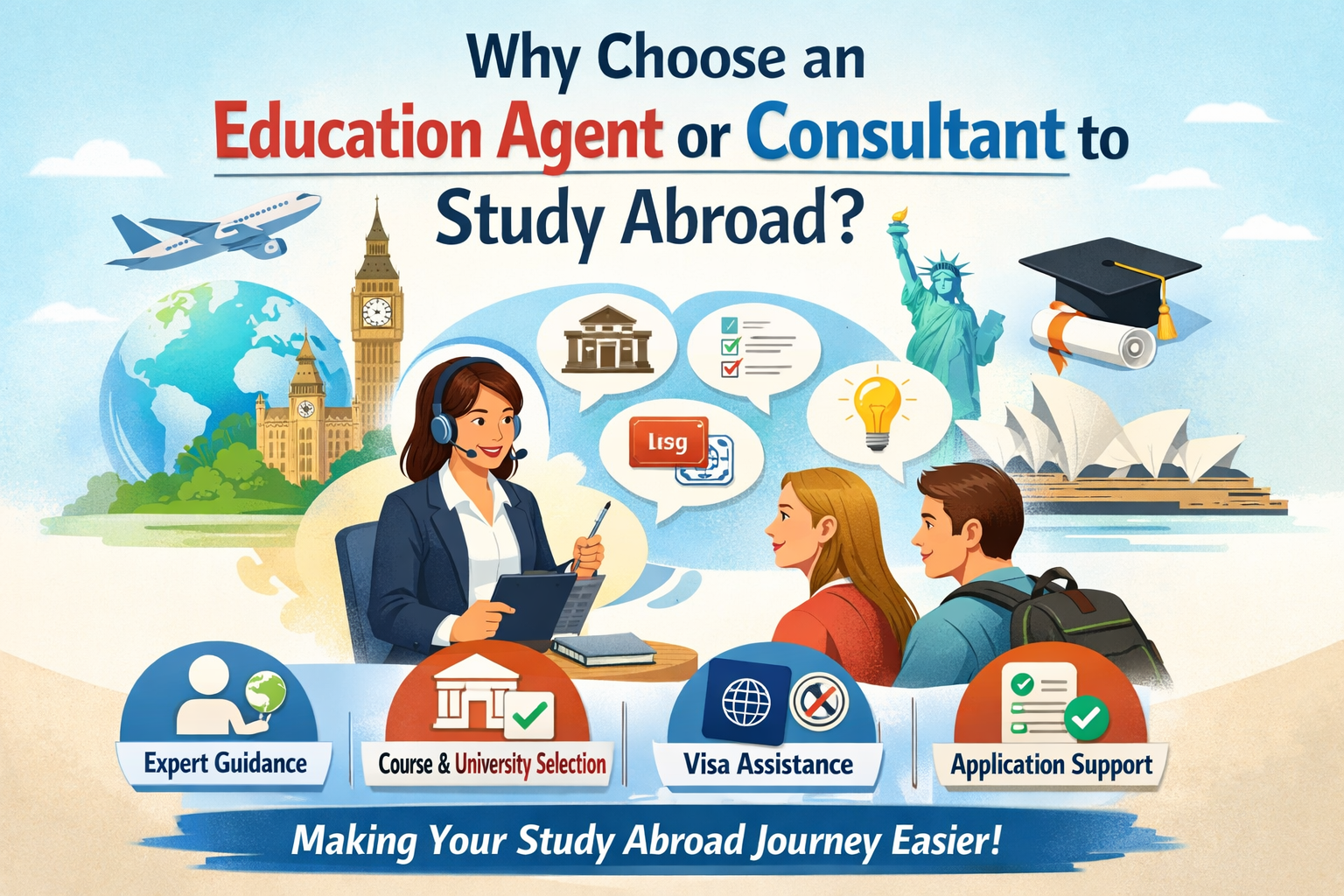
Why Choose an Education Agent or Consultant to Study Abroad?
Studying abroad is a major decision that goes beyond choosing a country—it involves selecting the right course, university, and environment for future growth. With many options and complex processes, guidance from a reliable education agent or consultant can make a meaningful difference.
11/02/2026
UAE’s Rise as a Study Hub: Why More Students Are Choosing UAE for their studies
Over the past few years, the United Arab Emirates has emerged as one of the fastest-growing study destinations in the world. With internationally recognised universities, strong career opportunities, and a safe, modern environment, the UAE is attracting students who want global education closer to home.
18/02/2026
France Opens Doors for Indian Travelers and Students
France aims to welcome 30,000 Indian students by 2030, boosting academic and travel cooperation. 🇫🇷🎓
25/02/2026
The Complete Parent’s Guide to Sending Children Abroad for Studies in 2026
Everything You Need to Know — From Choosing a Country to Saying Goodbye at the Airport
12/03/2026